
Sound Card
$39.00
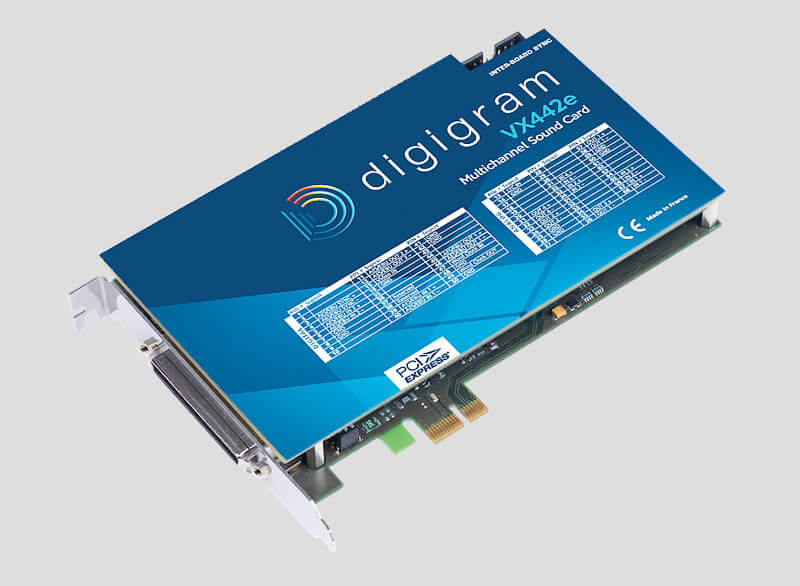
A sound card is a hardware component that processes audio signals, enabling high-quality sound output for music, movies, games, and professional audio production.
A sound card, also known as an audio card, is a crucial component in modern computers and multimedia systems that enhances the way we hear, record, and process audio. While most motherboards today come with integrated sound chips, dedicated sound cards still hold great importance for audiophiles, gamers, and professionals in music production, broadcasting, and video editing. By converting digital signals into analog sounds (and vice versa), a sound card ensures clear, immersive, and high-quality audio output.
1. Introduction to Sound Cards
The sound card’s primary function is to manage audio input and output. It takes digital data from your computer and converts it into analog signals that speakers or headphones can understand. Similarly, it captures analog signals from microphones and converts them into digital data for processing. This two-way communication makes it an essential tool for any task that involves sound.
In the early days of computing, sound cards were add-on components installed into expansion slots. Popular brands like Creative Labs’ Sound Blaster revolutionized PC audio in the 1990s. Over time, onboard sound became standard, but dedicated sound cards continue to dominate in areas where audio quality, advanced features, and low latency are necessary.
2. Types of Sound Cards
Integrated (Onboard) Sound Cards
Built directly into the motherboard.
Cost-effective and suitable for casual users.
Limited in terms of processing power, surround sound capabilities, and professional recording features.
Dedicated Internal Sound Cards
Installed in PCIe (Peripheral Component Interconnect Express) slots.
Offer advanced digital-to-analog converters (DACs) for crystal-clear audio.
Provide surround sound, high signal-to-noise ratios, and low latency.
External (USB) Sound Cards
Portable and easy to install without opening the computer.
Popular among laptop users, podcasters, and music creators.
Can provide professional-grade recording inputs and outputs.
3. How a Sound Card Works
A sound card primarily uses two key components:
Digital-to-Analog Converter (DAC): Converts digital signals into analog for playback through speakers or headphones.
Analog-to-Digital Converter (ADC): Converts analog signals (e.g., voice input) into digital data for the computer.
The process includes:
Computer sends digital audio signals → DAC processes them → Amplifier boosts the signal → Sound plays on speakers.
Microphone captures sound → ADC converts it to digital data → Computer records or transmits the sound.
4. Key Features of a Sound Card
Audio Channels (Stereo, 5.1, 7.1 Surround): Higher channel support allows more immersive sound for home theaters and gaming.
Sampling Rate and Bit Depth: Determines audio quality. Professional sound cards may offer 24-bit/192 kHz support, ensuring lossless audio.
Signal-to-Noise Ratio (SNR): Higher SNR means less background noise and cleaner sound.
Latency Control: Important for gaming and live recording, reducing delays between input and output.
Connectivity Options: Includes headphone jacks, microphone inputs, line-in ports, optical outputs, and even MIDI connections for instruments.
5. Benefits of Using a Sound Card
Superior Audio Quality
Rich, detailed, and clear sound output compared to standard onboard audio.
Immersive Gaming Experience
Surround sound support makes gaming more realistic, allowing players to hear directional sounds like footsteps or gunfire.
Professional Audio Production
Musicians and podcasters benefit from low latency, high-quality recording inputs, and multiple connectivity options.
Home Theater Experience
Supports Dolby Digital, DTS, and high-definition surround sound formats for cinematic audio at home.
Custom Sound Profiles
Many sound cards come with software to adjust equalizers, sound effects, and environment presets.
6. Applications of Sound Cards
Music Production and Recording: Used in studios for mixing, mastering, and producing songs.
Gaming: Essential for competitive gaming, where positional audio provides an edge.
Movies and Entertainment: Enhances clarity, bass, and surround effects in films.
Voice Communication: Improves call quality for podcasts, video conferences, and live streaming.
Educational Purposes: Useful for language learning, e-learning platforms, and virtual classrooms.
7. Popular Sound Card Brands
Creative Labs (Sound Blaster Series) – Known for gaming and general use.
ASUS (Xonar, Strix Series) – High-performance cards for audiophiles.
Focusrite, Behringer, Steinberg – Professional external audio interfaces for music and studio work.
Realtek – Common onboard sound chip provider in most laptops and desktops.
8. Sound Cards vs. Onboard Audio
Feature Onboard Audio Dedicated Sound Card
Cost Free (built-in) Extra purchase
Audio Quality Basic, decent Superior, high fidelity
Surround Sound Limited Advanced (5.1, 7.1, Dolby, DTS)
Latency Higher Lower
Customization Limited Extensive EQ and effects
Best For Casual users Gamers, audiophiles, professionals
9. Choosing the Right Sound Card
When selecting a sound card, consider:
Purpose: Gaming, music production, or casual listening.
Budget: Ranges from affordable external USB cards to high-end professional audio interfaces.
Compatibility: Ensure the card works with your operating system and available slots (PCIe, USB).
Features Needed: Surround sound, recording inputs, optical connections, or high-resolution audio.
10. The Future of Sound Cards
With advancements in virtual reality (VR), spatial audio, and artificial intelligence (AI), sound cards are evolving beyond just converting signals. They are becoming smart processors capable of delivering 3D immersive soundscapes for gaming, movies, and even medical or educational simulations. Integration with wireless technology, AI-driven sound optimization, and ultra-low latency will define the next generation of sound cards.
📌 Conclusion
A sound card may not always be necessary for casual computer use, but for those who demand exceptional audio quality, immersive gaming, or professional recording capabilities, it is an invaluable component. Whether built into the motherboard, added internally as a dedicated card, or connected externally via USB, sound cards play a vital role in shaping our audio experiences. In a world where digital entertainment, communication, and creativity thrive, the sound card ensures that every sound is delivered with clarity, depth, and precision.
Related products
Reviews
There are no reviews yet.